
Aye Khudaa Lyrics : “Aye Khudaa” is a soul-stirring Sufi-pop ballad from the 2026 romantic comedy “Ginny Weds Sunny 2.” This track serves as the emotional anchor of the film, capturing the raw essence of longing and spiritual surrender. Performed by the powerhouse vocalist Altamash Faridi, the song is a masterclass in emotive delivery, perfectly suited for the film’s most pivotal and heartfelt moments.
Musical and Lyrical Depth
The song is entirely the vision of Usman Khan, who serves as both the lyricist and music composer. Khan’s composition features a beautiful blend of traditional harmonium, tabla, and soaring orchestral arrangements that create an atmospheric, prayer-like experience. Lyrically, “Aye Khudaa” is a direct conversation with the divine, questioning the complexities of love and destiny while seeking solace in faith.
Emotional Resonance
Since its release in early 2026, the track has resonated deeply with audiences, becoming a favorite for late-night listening and contemplative moods. Altamash Faridi’s ability to reach high-octane crescendos while maintaining a delicate vulnerability makes “Aye Khudaa” a standout in the Ginny Weds Sunny 2 soundtrack. It is a timeless reminder that even in a vibrant wedding-themed movie, the quiet moments of the heart are often the most powerful.
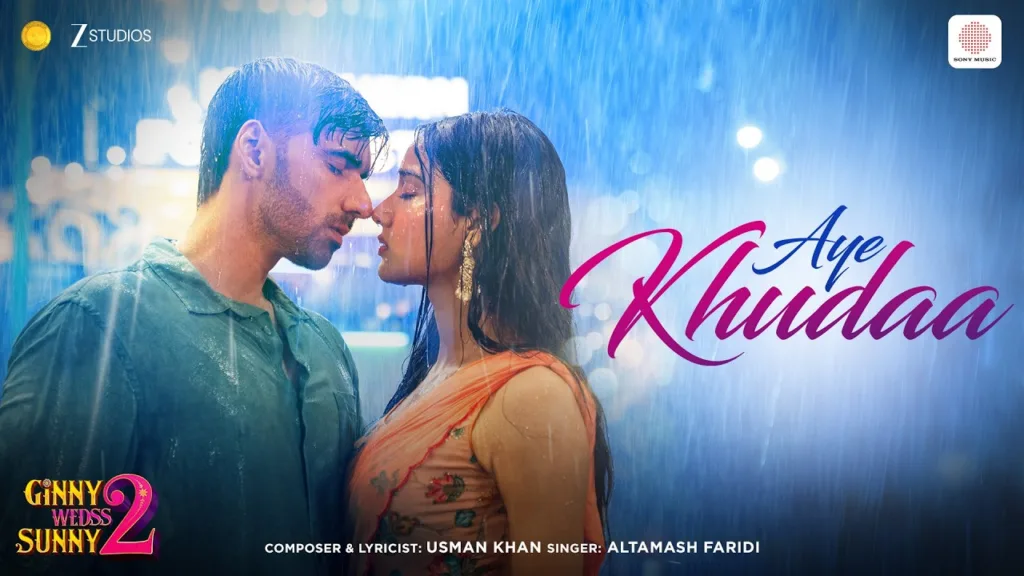
Aye Khudaa Lyrics
Hasna tune sikhaya
Rona bhi tune sikhaya
Itne kareeb bula kar
Tune kyun thukraya
Aye Khudaa…Aye Khudaa
Jaaye to Jaaye Kaha
Tu hi bataa
Aye Khudaa…Aye Khudaa
Jaaye to Jaaye Kaha
Tu hi bataa
Thukra ke mujhko
Bolo tumhe kyaa mila
Hum to khade the
Teri hi raah me
Tumne to humko
Mudke bhi ek pal dekha hi nahi
Tu nahi jaanti
Tu hi to paas thi
Tu hi to thi meri
Zindagi
Tu hi tha rasta
Tujhse tha vasta
Teri hi karta tha bandagi
Aye Khudaa…Aye Khudaa
Jaaye to Jaaye Kaha
Tu hi bataa
Aye Khudaa…Aye Khudaa
Jaaye to Jaaye Kaha
Tu hi bataa
Hasna tune sikhaya
Rona bhi tune sikhaya
Itne kareeb bula kar
Tune kyun thukraya
Aye Khudaa…Aye Khudaa
Jaaye to Jaaye Kaha
Tu hi bataa
Aye Khudaa…Aye Khudaa
Jaaye to Jaaye Kaha
Tu hi bataa
हँसना तूने सिखाया
रोना भी तूने सिखाया
इतने करीब बुला कर
तूने क्यों ठुकराया
ऐ खुदा… ऐ खुदा
जाए तो जाए कहाँ
तू ही बता
ऐ खुदा… ऐ खुदा
जाए तो जाए कहाँ
तू ही बता
ठुकरा के मुझको
बोलो तुम्हें क्या मिला
हम तो खड़े थे
तेरी ही राह में
तुमने तो हमको
मुड़के भी एक पल देखा ही नहीं
तू नहीं जानती
तू ही तो पास थी
तू ही तो थी मेरी
ज़िंदगी
तू ही था रास्ता
तुझसे था वास्ता
तेरी ही करता था बंदगी
ऐ खुदा… ऐ खुदा
जाए तो जाए कहाँ
तू ही बता
ऐ खुदा… ऐ खुदा
जाए तो जाए कहाँ
तू ही बता
हँसना तूने सिखाया
रोना भी तूने सिखाया
इतने करीब बुला कर
तूने क्यों ठुकराया
ऐ खुदा… ऐ खुदा
जाए तो जाए कहाँ
तू ही बता
ऐ खुदा… ऐ खुदा
जाए तो जाए कहाँ
तू ही बता
Noticed an error in the lyrics? Please report it with the correction! ⚠️ Report Error or Submit Corrected Lyrics
Aye Khudaa Official Video
Aye Khudaa Song Credits :
| Title : | Aye Khudaa |
| Singer: | Altamash Faridi |
| Album: | Ginny Wedss Sunny 2 |
| Lyrics By: | Usman Khan |
| Music By: | Usman Khan |
| Cast: | Avinash Tiwary, Medha Shankr |
| Label: | Sony Music India |
| Director: | Prasshant Jha |
| Released on : | March 24, 2026 |
Aye Khudaa Lyrics Meaning :
The lyrics of “Aye Khudaa” from the 2026 film Ginny Weds Sunny 2 represent a profound emotional plea, blending themes of romantic heartbreak with spiritual questioning. Performed by Altamash Faridi and written by Usman Khan, the song captures the moment a soul feels abandoned by both a lover and a higher power.
Lyrics Meaning Breakdown
1. The Paradox of Love
“Hasna tune sikhaya, Rona bhi tune sikhaya”: The singer acknowledges that the same person (or divine force) who taught them how to be happy is now the cause of their tears. It highlights the duality of a relationship that brought both extreme joy and deep pain.
“Itne kareeb bula kar, Tune kyun thukraya”: This is a direct question about betrayal. After building a deep intimacy and “calling them close,” the sudden rejection (thukraya) feels like a cruel twist of fate.
2. The Spiritual Crisis
“Aye Khudaa… Jaaye to Jaaye Kaha”: The central hook is a desperate cry to God. Having lost their world, the singer asks, “Where should I go now?“. It reflects a state of total displacement where neither the earthly nor the spiritual world seems to offer a home.
3. Unrequited Devotion
“Hum to khade the, Teri hi raah me”: The lyrics describe a lover who remained steadfast and loyal, waiting in the “path” of the beloved, only to be completely ignored.
“Mudke bhi ek pal dekha hi nahi”: This emphasizes the coldness of the separation—the other person didn’t even grant them a single glance back while leaving.
4. Love as Worship (Bandagi)
“Tu hi tha rasta, Tujhse tha vasta”: The beloved was the singer’s entire direction and their only significant connection to the world.
“Teri hi karta tha bandagi”: In Sufi-pop tradition, the line between romantic love and religious devotion is blurred. The singer admits to worshipping their partner as if they were a deity, making the subsequent abandonment feel like a religious exile.